
Your Puppy’s Best Start: Small Steps, Strong Foundations
Understanding development helps you give your puppy the support they need at each stage.
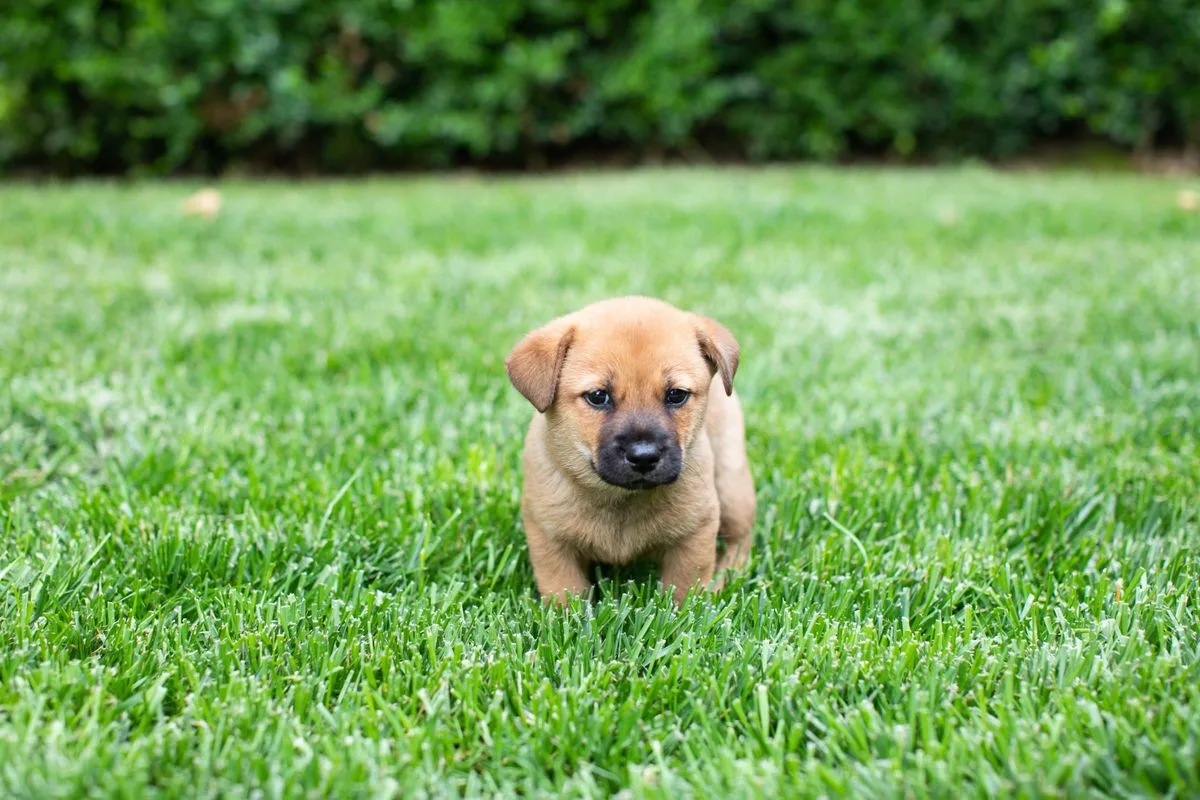
Bringing a puppy home is exciting—and sometimes overwhelming.
There is toilet training, biting, sleep, socialisation and a whole new routine to think about. It is easy to feel you should teach everything straight away.
But a good start begins with helping your puppy feel safe, meeting their needs and making learning achievable.
Early experiences matter. Understanding development helps you choose suitable experiences and realistic expectations.
The main development stages
These ages are approximate. Breed, genetics and individual experience affect the timing, and development does not follow an exact calendar.
| Stage | Approximate age | What matters |
|---|---|---|
| Neonatal | Birth–2 weeks | Puppies depend on their mother for warmth, feeding and care. |
| Transitional | 2–3 weeks | Eyes and ears open, movement improves and interaction increases. |
| Socialisation | Around 3–12 weeks | Positive experiences with people, animals and surroundings help shape how puppies respond to the world. |
| Juvenile | Around 12 weeks until sexual maturity | Exploration and learning continue. Keep building everyday skills and positive experiences. |
| Adolescence and early adulthood | Often begins around 6–9 months, later in some breeds | Independence and responses can change. Social maturity develops gradually, often between 1 and 3 years. |
These stages describe broad changes, rather than deadlines for completing training.
Socialisation means feeling comfortable
Socialisation involves more than meeting lots of dogs and people.
Your puppy is learning about sounds, surfaces, movement, handling and everyday surroundings. The quality of those experiences matters more than how many you fit into a day.
Watching a person from a comfortable distance can be a useful experience. A forced greeting with someone who frightens your puppy can work against that goal.
Allow them to observe, approach voluntarily and move away. If they seem worried, add distance or reduce the intensity.
The first three months are particularly important, but socialisation continues afterwards. Ask your vet how to balance early experiences with vaccination status and local disease risks; you can plan suitable exposure before the full vaccination course is complete.
Build everyday foundations
Start with a manageable routine that includes toilet opportunities, rest, play, safe chewing and short learning moments.
Reward choices you appreciate: checking in with you, approaching when invited or settling comfortably. Introduce gentle handling gradually and give your puppy opportunities to pause.
A thoughtfully arranged home also helps. Safe spaces and suitable chew items make it easier for your puppy to explore without constantly being interrupted.
Positive reinforcement and an environment that supports good choices help build trust and communication.
Try one small discovery
Keep supporting the growing dog
As your puppy develops, familiar exercises may become harder in some situations. Return to easier practice, reward generously and adjust your expectations.
New fear or a sudden behaviour change deserves attention. Respond to the dog in front of you rather than assuming every difficulty is simply a developmental phase.
You do not need to create a perfect puppy. You are building a relationship and skills that can keep growing.
A good start gives your puppy room to feel safe, explore and learn.
At Norse Paw, we help you build those foundations through positive reinforcement, choice and practical support for everyday puppy life.
Photo: qiana zhang / Pexels.