
The Beast You Feed Is the One That Grows
How noticing and rewarding everyday choices helps you build the habits you want.
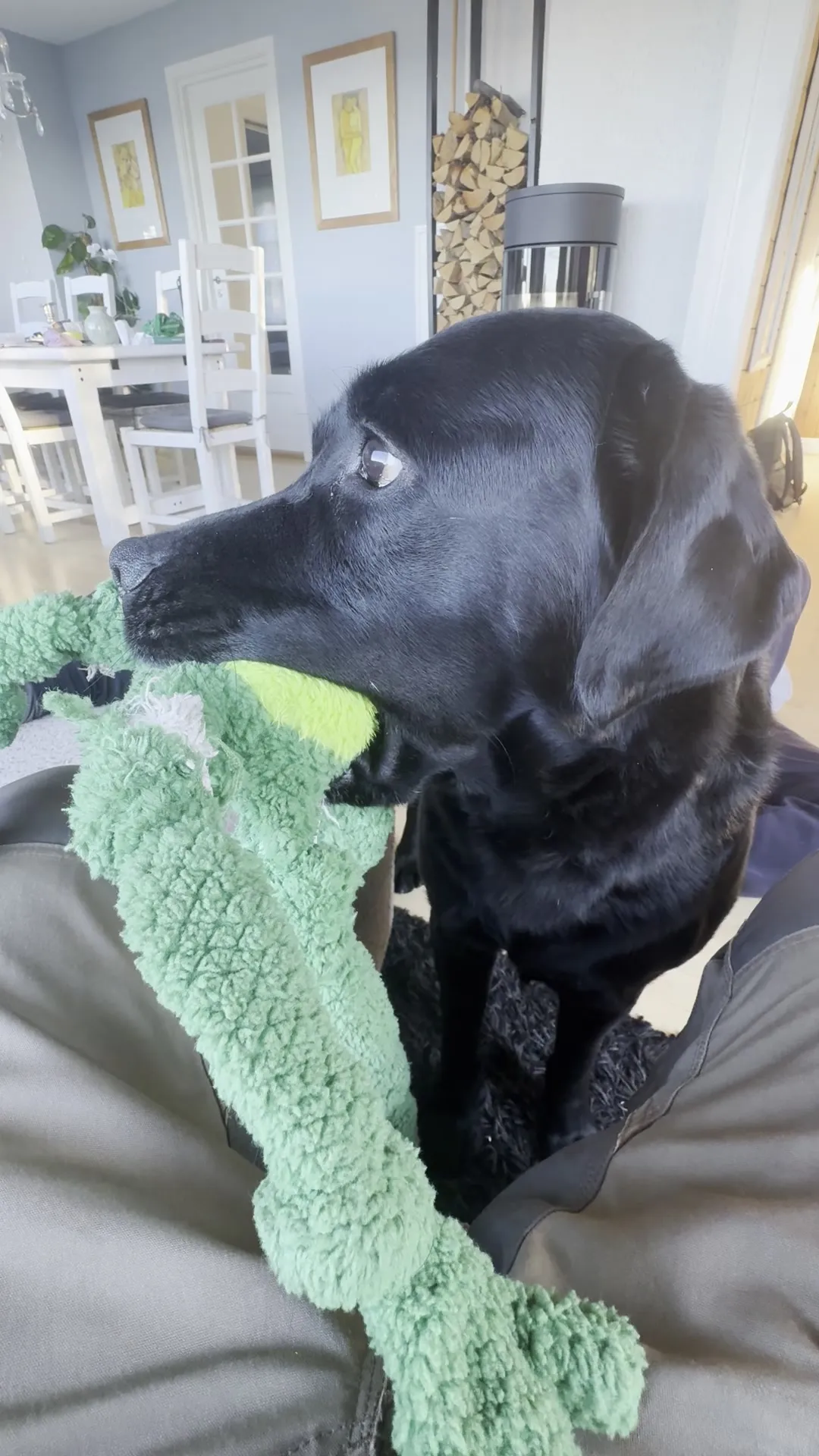
Baloo arrives with a toy in his mouth. He comes close, pauses beside me and offers an opportunity to interact.
What I do next can help shape what he chooses to do again.
That is the idea behind “the beast you feed is the one that grows”. The beast is a behaviour or habit—not your dog. The things that work for our dogs can become things they repeat.
The useful question is: Which habits am I helping to grow?
Your dog is learning outside training sessions
Learning happens throughout the day, including moments when we aren't deliberately teaching anything.
A dog jumps up and receives attention. Pulling reaches an interesting smell. Bringing a toy starts a favourite game.
Those outcomes may make the behaviour more likely next time. What matters is whether the consequence is rewarding to that individual dog and whether the behaviour increases over time.
We can use the same principle thoughtfully: notice an action we appreciate, then respond with something our dog values.
Feeding a behaviour means more than giving food
Food is useful, but reinforcement can also come from play, attention, sniffing and access to enjoyable activities.
When Baloo brings a toy close to me, I can respond with a game he enjoys. If this makes him more likely to bring the toy over again, that interaction has reinforced the behaviour.
For another dog, being invited to explore after checking in might be valuable. Some dogs enjoy affection; others would prefer space or a short game.
We choose what to offer. Our dogs show us what has value.
Notice the habits you want before they become invisible
It is easy to respond when a dog barks, jumps or grabs something. Their quieter choices can pass unnoticed.
Look for the glance during a walk, four paws on the floor when you approach, or choosing a toy for interaction.
Mark the specific behaviour you want to encourage, then promptly offer an appropriate reward. You don't need to wait for a perfect finished skill: reward achievable steps and build gradually.
For a dog already resting peacefully, gentle acknowledgement may suit them better than an exciting game. Sometimes the kindest choice is to let them sleep undisturbed.
When an unwanted habit keeps working
Ask what your dog gains and what you would prefer them to do instead.
If jumping brings attention, arrange an easier greeting and reward four paws on the floor. If pulling reaches a scent, practise a few loose lead steps before inviting your dog to sniff.
Make the alternative achievable and prevent repeated difficult situations where practical. Avoid waiting for the unwanted behaviour every time before rewarding its replacement.
Fear and essential needs are different
This analogy isn't a reason to ignore a distressed dog.
Comforting a frightened dog is not the same as reinforcing fear. Barking may reflect worry, frustration or an unmet need; it requires understanding the situation, rather than simply withholding attention.
Provide safety, toilet opportunities, water, rest and suitable activity without making your dog earn them.
Try a one-habit exercise
- Choose one small behaviour you appreciate, such as approaching with a toy.
- Decide what your dog would enjoy afterwards.
- Notice the behaviour and respond promptly.
- Offer a few natural opportunities across the day.
- Watch whether the choice becomes more frequent, and adjust if needed.
Keep it simple. You are learning what works for your dog while helping a useful habit grow.
Notice what you want more of. Give it a reason to happen again.
At Norse Paw, we help you build everyday skills through positive reinforcement, choice and connection.